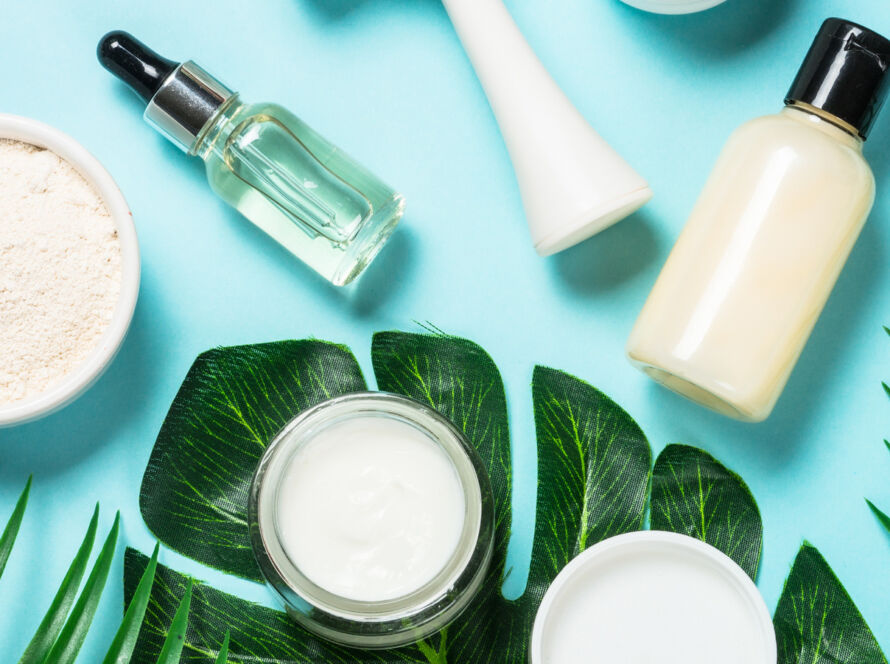


In a world increasingly focused on clean beauty and self-care, more people are turning to natural skincare routines that focus on nourishing the skin without the use of harsh chemicals. A natural skincare routine can help enhance your skin’s health, maintain its balance, and provide a holistic approach to beauty. If you’re looking to switch to a more natural skincare regimen, here’s a simple guide to help you build your own routine.
1. Understand Your Skin Type
Before jumping into any skincare routine, it’s important to understand your skin type. Everyone’s skin is unique, and knowing whether your skin is oily, dry, combination, sensitive, or normal will help you choose the right products and ingredients for your routine.
- Oily Skin: If you have oily skin, look for natural products that help balance oil production without stripping your skin of moisture. Ingredients like tea tree oil, witch hazel, and clay are great for controlling excess oil.
- Dry Skin: For dry skin, you’ll want products that focus on hydration and moisture. Look for natural oils such as jojoba, argan, or coconut oil, as well as ingredients like aloe vera and honey to keep your skin soft and nourished.
- Combination Skin: Combination skin requires a balanced approach. You can use different products on different parts of your face. For instance, use gentle moisturizers for dry areas and lighter formulations for the oily T-zone.
- Sensitive Skin: If your skin is sensitive, opt for natural products that are soothing and free from irritants like synthetic fragrances and alcohol. Ingredients such as chamomile, calendula, and rose water can help calm and heal the skin.
2. Start with a Cleanser
Cleansing is the first step in any skincare routine. The goal is to remove dirt, excess oils, and impurities while preserving your skin’s natural moisture. When choosing a natural cleanser, opt for one that is gentle and free from sulfates and harsh chemicals.
Look for plant-based cleansers that contain nourishing ingredients like:
- Coconut oil: Known for its moisturizing properties.
- Aloe vera: Soothes and hydrates the skin.
- Honey: A natural antibacterial agent that also helps retain moisture.
You can also make your own natural cleanser at home with ingredients like raw honey or a mixture of apple cider vinegar and water.
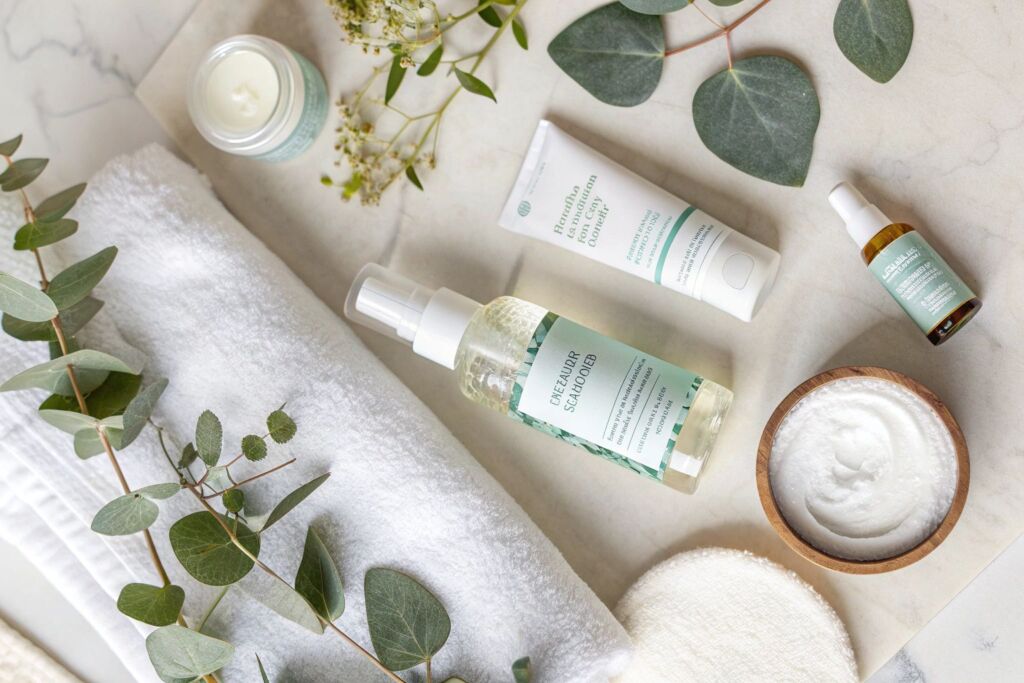
3. Exfoliate (2-3 Times a Week)
Exfoliating your skin helps remove dead skin cells, revealing a fresh and glowing complexion. However, it’s important to exfoliate gently, as over-exfoliating can lead to irritation or dryness. Choose a natural scrub with fine particles, such as ground oats, sugar, or coffee grounds.
Alternatively, you can use natural exfoliating acids like fruit enzymes (papaya or pineapple) or gentle AHA (alpha hydroxy acids) from natural sources like sugarcane or citrus.
Exfoliating should only be done 2-3 times a week to prevent skin irritation and promote cell turnover.
4. Toning: Balance Your Skin’s pH
Toning is a step that many people skip, but it’s crucial for balancing the pH levels of your skin and preparing it for the next steps. A natural toner helps to tighten the skin, close pores, and replenish hydration after cleansing.
Some natural toners to consider are:
- Rose water: Known for its calming and anti-inflammatory properties.
- Witch hazel: A gentle astringent that helps tighten pores.
- Green tea: Packed with antioxidants to protect the skin from environmental stressors.
You can apply toner using a cotton pad or simply by spraying it directly onto your face.
5. Moisturize to Lock in Hydration
Moisturizing is key to keeping your skin hydrated, smooth, and soft. Natural moisturizers typically contain nourishing oils and plant-based ingredients that help to seal in moisture without clogging the pores.
Some natural moisturizers to look for include:
- Shea butter: Rich in vitamins and essential fatty acids, it helps to deeply moisturize and soften dry skin.
- Aloe vera gel: A light, soothing moisturizer that hydrates and calms the skin.
- Jojoba oil: Closely resembles the skin’s natural oils and helps regulate moisture balance.
For oily skin, you can opt for lightweight moisturizers like gel-based formulas or aloe vera gel. For dry skin, heavier oils like coconut oil or argan oil work wonders.
6. Add a Face Serum (Optional)
Face serums are concentrated formulations that target specific skin concerns, such as wrinkles, dark spots, or acne. Natural serums typically contain potent plant extracts and oils to provide targeted treatments without harsh chemicals.
Look for serums that include ingredients like:
- Vitamin C: Brightens and improves skin tone.
- Hyaluronic acid: Provides deep hydration.
- Rosehip oil: Helps with skin regeneration and reducing scars.
Serums are applied after toning and before moisturizing, and a little goes a long way!
7. Don’t Forget Sunscreen
Natural sunscreen is an essential part of any skincare routine, as it helps protect the skin from the harmful effects of UV rays. Look for sunscreens that contain natural physical blockers like zinc oxide or titanium dioxide, which sit on the skin’s surface and provide a shield against the sun’s rays.
While some natural oils, like coconut oil, offer a very low SPF, it’s important to use a dedicated sunscreen for proper protection. Apply sunscreen every morning, even on cloudy days, to prevent sun damage and premature aging.
8. Weekly Face Masks (Optional)
Face masks are a great way to give your skin an extra boost. You can use natural ingredients from your kitchen to create nourishing, hydrating, and detoxifying masks.
Some great natural mask ingredients include:
- Avocado: Hydrates and nourishes the skin.
- Turmeric: Brightens and reduces inflammation.
- Clay: Absorbs excess oil and detoxifies the skin.
Apply a face mask once a week for added benefits like deep hydration, oil control, or brightening effects.
9. Consistency is Key
Building a natural skincare routine isn’t about using dozens of products. It’s about choosing the right products that work for your skin and using them consistently. Stick with your routine for a few weeks to see the results—healthy, glowing skin takes time to show up, especially when using natural products.
Conclusion: Your Natural Skincare Journey
Switching to a natural skincare routine is a great step toward achieving healthy and glowing skin. By using plant-based ingredients, you not only nourish your skin but also reduce your exposure to harsh chemicals and synthetic additives. Building a skincare routine based on your skin type and needs can help maintain your skin’s balance, reduce irritation, and bring out its natural beauty. Remember, consistency and patience are the keys to seeing the benefits of your natural skincare routine.